
What Surveyors Don’t Check: Common Misunderstandings Every UK Homebuyer Should Know [2025 Guide]
Thinking of getting a house survey? Learn what surveyors don’t check, the most common misunderstandings, and what extra inspections UK homebuyers may need in 2025.


Why Knowing Survey Limits Matters
When buying a property most UK homebuyers rightly invest in a survey. It’s a crucial step to identify structural problems damp or potential repair costs. But here’s the catch: many buyers assume surveys cover far more than they actually do.
Surveyors provide an expert inspection of a property’s condition but they don’t check everything. Some issues fall outside their scope while others require specialist surveys.
This guide explains what surveyors don’t check common misunderstandings and how you can fill the gaps to avoid costly surprises after you’ve moved in.
The Different Types of Surveys in the UK
Before diving into what isn’t included let’s quickly recap the main survey types:
Level 1 (Condition Report): Basic overview of property condition.
Level 2 (HomeBuyer Report): More detail including visible defects but no invasive checks.
Level 3 (Building Survey): Most comprehensive; assesses structure defects and advice on repairs—but still has limits.
Even the most detailed survey isn’t a guarantee against every issue.
What Surveyors Don’t Check (and Why)
1. Hidden Drains and Underground Pipework
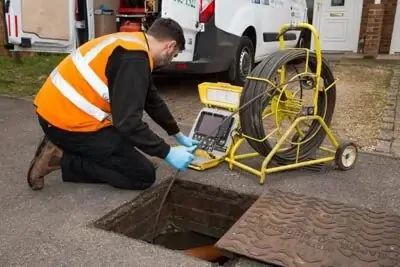
Surveyors don’t run CCTV drainage surveys. Blocked or collapsed drains—often costly to fix—require a specialist drainage inspection .
2. Electrics in Depth
They may note outdated fuse boxes or exposed wiring but won’t test circuits. For a full assessment you’ll need an Electrical Installation Condition Report (EICR) .
3. Gas and Heating Systems
Surveyors can turn boilers on and off but won’t test performance pressure or safety. Hire a Gas Safe engineer for a boiler service or heating system check.
4. Plumbing in Detail
They’ll run taps and flush toilets but won’t test for water pressure consistency pipe corrosion or underground leaks.
5. Pest Infestations
Mice rats wasps or wood-boring insects may go unnoticed. A pest control survey is required for confirmation.
6. Asbestos Testing
If the property was built before 2000 asbestos may be present. Surveyors may flag possible risks but won’t test materials. That requires an asbestos survey .
7. Invasive Damp or Timber Checks
They may use a moisture meter but won’t lift floors or remove plaster. For certainty you need a specialist damp and timber survey .
8. Roof Structure Beyond Visibility
Surveyors assess roofs from ground level or accessible areas. They won’t remove tiles or climb unsafe roofs.
9. Boundaries and Legal Issues
Surveyors don’t confirm boundary lines rights of way or access disputes. These are checked via conveyancing and title deeds .
10. Appliances and Fixtures
Kitchen appliances alarms or integrated systems (e.g. underfloor heating) are not tested.
Common Misunderstandings About Surveys
“A survey guarantees no problems.”
No survey can guarantee this—especially for hidden issues.“A survey covers everything in the house.”
Surveys are visual and non-invasive. They don’t test electrics plumbing or gas in detail.“New builds don’t need surveys.”
Even new homes can have snags—always consider a snagging survey .“A HomeBuyer Report is enough for any property.”
For older or unusual homes you’ll often need a Level 3 Building Survey .
What Extra Surveys Should You Consider?
Depending on the property you may need:
Drainage survey (CCTV check)
EICR electrical survey
Gas Safe boiler service
Asbestos testing
Timber/damp inspection
Roof survey (drone or scaffold if needed)
Snagging survey for new builds
Why Surveyors Have These Limits
Surveyors work under professional guidelines (RICS standards). Their inspections are designed to be non-invasive general assessments of property condition. They highlight risks and recommend further checks where necessary—but it’s up to the buyer to arrange those checks.
Final Thoughts: How to Avoid Nasty Surprises
A survey is an essential step in buying a property but don’t assume it’s the whole picture.
 Always read the survey carefully.
Take note of “further investigation recommended.”
Budget for specialist surveys where needed.
The best approach: view your survey as the starting point for property due diligence—not the finish line.
Editorial Standards & Expertise
WiseNest Editorial Team
Our expert editorial team consists of seasoned technology professionals, business strategists, and digital transformation specialists with over 15 years of combined experience in helping businesses navigate the digital landscape.
This content is optimized to answer these questions comprehensively.
Do surveyors check electrics?
No. They may note obvious issues but won’t test wiring. You need an EICR for that.
Do surveyors check boilers?
They will turn it on/off but won’t do a full inspection. Always get a Gas Safe engineer to service it.
Do surveyors check for damp?
They may use a moisture meter but won’t do invasive testing. For certainty, commission a specialist damp survey.
Do surveyors check legal boundaries?
No. Boundary checks are handled through your solicitor and Land Registry.
Do surveyors check drains?
No, but they may recommend a drainage survey if issues are suspected.
Should I get extra surveys alongside my homebuyer survey?
Yes, especially for older homes, properties near trees, or those with visible damp, cracks, or outdated systems.
Join 10,000+ Smart
First-Time Buyers
Get expert homebuying guidance, AI-powered document analysis, and step-by-step support for your first property purchase.



Growing community
Already have an account? Sign in here
Related Articles
Continue exploring our insights and tips
![Flood Zones, Noise, and Crime: What Area Reports Can Reveal to UK Homebuyers [2025 Guide]](https://a.storyblok.com/f/335762/1666x850/c67f7cec43/map-from-check-flooding.png)
Flood Zones, Noise, and Crime: What Area Reports Can Reveal to UK Homebuyers [2025 Guide]
Buying a home? Learn how area reports reveal risks like flood zones, noise pollution, and crime rates. This 2025 UK guide explains why they matter and how to use them before making an offer.
![What Is Indemnity Insurance and When Might You Need It? [2025 UK Buyer’s Guide]](https://a.storyblok.com/f/335762/2560x1707/d026575128/what-is-indemnity-insurance-scaled.jpg)
What Is Indemnity Insurance and When Might You Need It? [2025 UK Buyer’s Guide]
Buying a home in the UK? Discover what indemnity insurance is, when it’s needed, typical costs, and how it protects buyers and lenders from legal risks in property transactions.
Should You Get a Drainage Survey When Buying a Home?
Thinking of buying a house? Learn why a drainage survey can save UK buyers thousands in repairs. Discover costs, benefits, red flags, and whether it’s worth it in 2025.